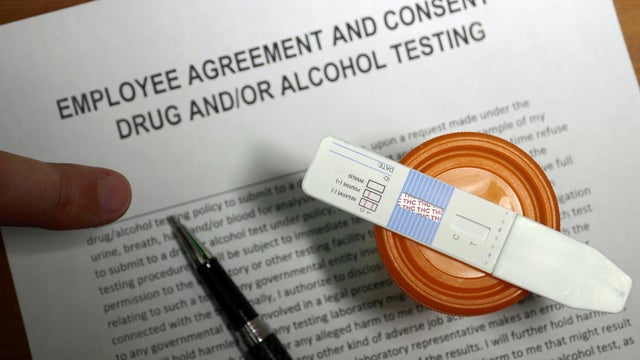
More employees are cheating on workplace drug tests. Here's how.
Experts call for better drug testing procedures as more states legalize marijuana and societal norms change.
Watch CBS News

Experts call for better drug testing procedures as more states legalize marijuana and societal norms change.
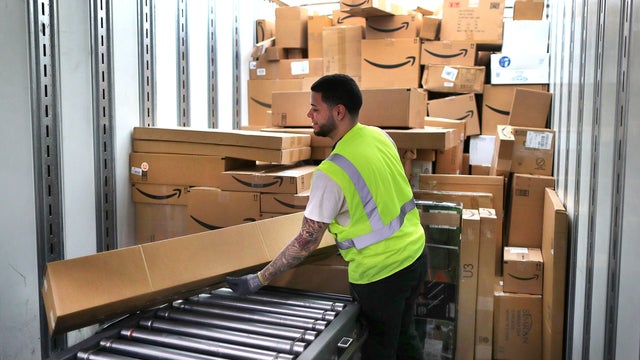
The report also highlights the financial destruction that can occur when workers take unpaid time off after being hurt or tired from the job.
McDonald's CEO Chris Kempczinski said recently the company must be laser-focused on keeping prices affordable.

But U.S. central bank wants to see more progress in quelling inflation before cutting interest rates.

Shares of GameStop, AMC Entertainment and other so-called meme stocks dipped ahead of the start of trade on Wednesday.

What's the best place to park your money? Americans put their faith in this long-term investment, a new Gallup poll shows.

Ransomware attack targeted a Nissan virtual private network, the automaker's U.S. subsidiary said.

The 12-second execution of the alleged theft took months to plan, federal prosecutors said.

The struggling restaurant chain is moving to cut costs by shuttering restaurants in 21 states.

There can be differences when it comes to interest rates, technology and access to financial products and services.

Facing pricy mortgage rate lock extension fees? Try taking these approaches now.

Need extra cash? These five strategies can help you get it.

Tesla accounted for 80% of electric vehicle sales in the U.S. in 2020, but that figure fell to 55% last year.

The generative artificial intelligence boom has led to the emergence of romantic companion bots.

Apple said it will stop selling the devices later this month in order to comply with a U.S. import ban.

Alex Jones, the conspiracy theorist known for his fake news site InfoWars and his false denial of the Sandy Hook massacre, was permanently banned from Twitter in 2018.

More than 90 million consumers will scan a QR code this year. But the technology can also facilitate identity theft.
The billionaire owner of X took a defensive tone, saying that "the whole world will know that those advertisers killed the company."

OpenAI co-founder Sam Altman says he's looking forward to returning to the company, with the support of Microsoft's CEO, to build the 2 companies' "strong partnership."

Musk, who is under fire for supporting an antisemitic post, said the money will be donated to hospitals in Israel and to the Red Cross in Gaza.
Altman landed at Microsoft, the biggest investor in OpenAI, as former Twitch leader Emmett Shear was named OpenAI's new chief executive.

Firearms sold by law enforcement have turned up at crime scenes thousands of times in recent years, a CBS News Investigation found.
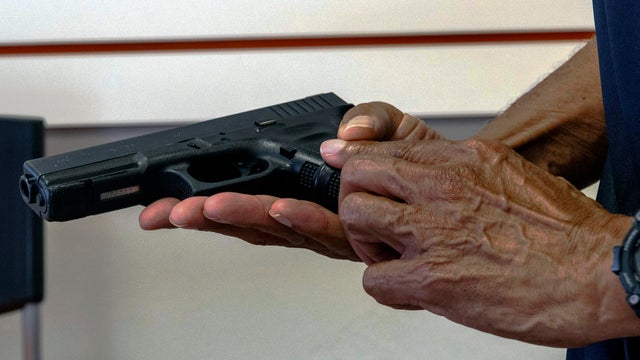
Firearms sold by law enforcement have turned up at crime scenes thousands of times in recent years, a CBS News Investigation found.
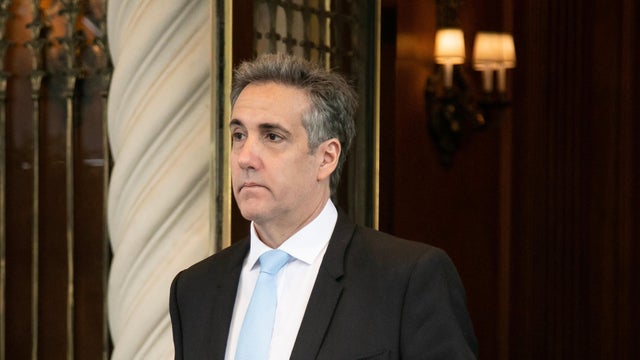
The fifth week of Donald Trump's criminal trial in New York will end as it began: with the former president's ex-lawyer Michael Cohen on the stand.

Slovakia's populist Prime Minister Robert Fico was shot as he came out of a meeting. He was in "stable but still very serious" condition, the hospital said.

The U.S. military says it's installed the temporary pier that will be used to bring humanitarian aid into Gaza, and trucks carrying the aid should begin "moving ashore in the coming days."

A lawyer for New Jersey Sen. Bob Menendez sought to pin the blame on his wife, Nadine Menendez.
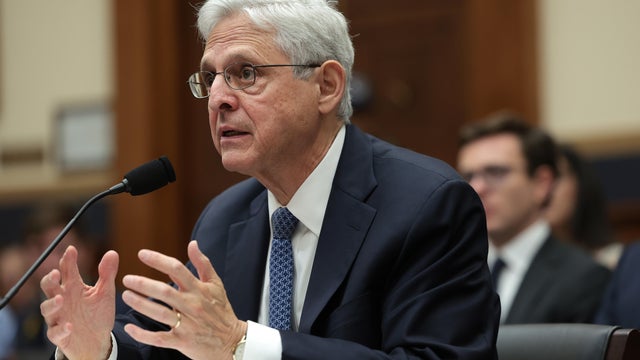
Two Republican-led House committees are set to consider a contempt of Congress resolution against Attorney General Merrick Garland on Thursday.

The president and vice president are required to file public financial reports.
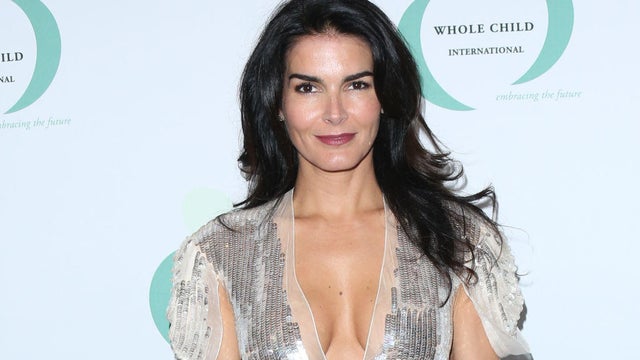
Angie Harmon said she heard a gunshot and rushed outside, where she found her dog had been shot, and saw the delivery person putting a gun into the front of his pants, according to the lawsuit.

With a relatively low average monthly cost of living and a low crime rate, this little-known town has a lot to offer retirees according to one report.

The U.S. is reaching "peak 65," marking the largest retirement wave in American history. But the financial outlook for many is grim.

Americans are underprepared for retirement, with the average account holding just $88,400 in savings.

BlackRock CEO Larry Fink said that longer life expectancies are "putting the U.S. retirement system under immense strain."

About 1 in 8 workers think they'll retire by age 61. But the reality of saving for decades of expenses is daunting.

The National Park Service said the two people entered a closed area, removed objects from cabinets and may have damaged historic artifacts.
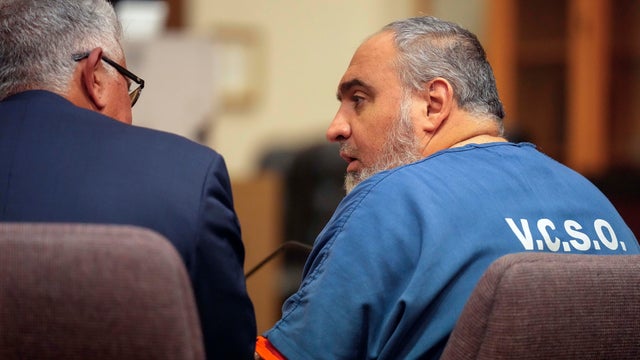
A judge has decided that a Southern California college professor will stand trial for involuntary manslaughter and battery in the death of a Jewish counter-protester during demonstrations over the Israel-Hamas war last year.
Firearms sold by law enforcement have turned up at crime scenes thousands of times in recent years, a CBS News Investigation found.
The fifth week of Donald Trump's criminal trial in New York will end as it began: with the former president's ex-lawyer Michael Cohen on the stand.
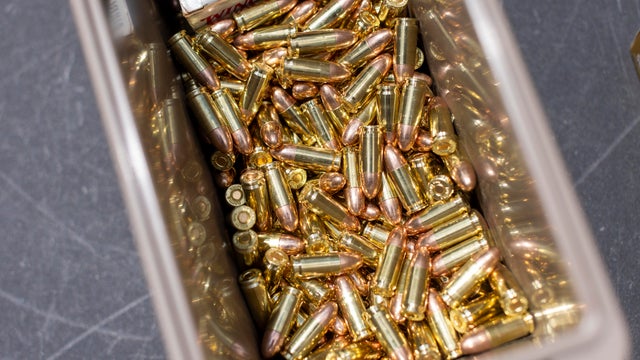
Learn more about a nearly 2-year investigation by CBS News that found former police guns have turned up at crime scenes across the country.
The report also highlights the financial destruction that can occur when workers take unpaid time off after being hurt or tired from the job.

Ransomware attack targeted a Nissan virtual private network, the automaker's U.S. subsidiary said.
Experts call for better drug testing procedures as more states legalize marijuana and societal norms change.
McDonald's CEO Chris Kempczinski said recently the company must be laser-focused on keeping prices affordable.
What's the best place to park your money? Americans put their faith in this long-term investment, a new Gallup poll shows.

Xi Jinping welcomes Vladimir Putin to Beijing - talking peace in Ukraine amid a backdrop of war and growing tension with the U.S. and NATO.
The fifth week of Donald Trump's criminal trial in New York will end as it began: with the former president's ex-lawyer Michael Cohen on the stand.
Two Republican-led House committees are set to consider a contempt of Congress resolution against Attorney General Merrick Garland on Thursday.

Judge Juan Merchan has held Trump in contempt of court for violating the gag order 10 times, with a $1,000 fine for each violation.
The president and vice president are required to file public financial reports.
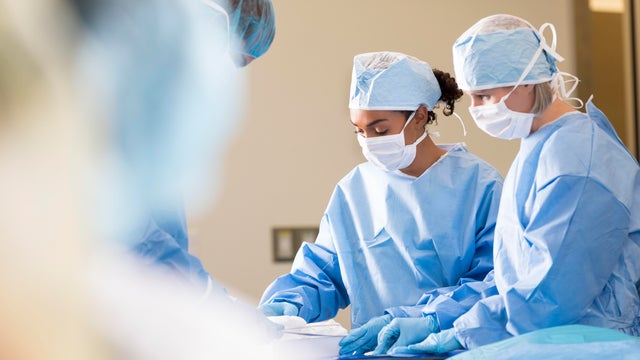
A new study finds hospitals with a higher share of women surgeons and and anesthetists shave better patient outcomes.
Experts call for better drug testing procedures as more states legalize marijuana and societal norms change.
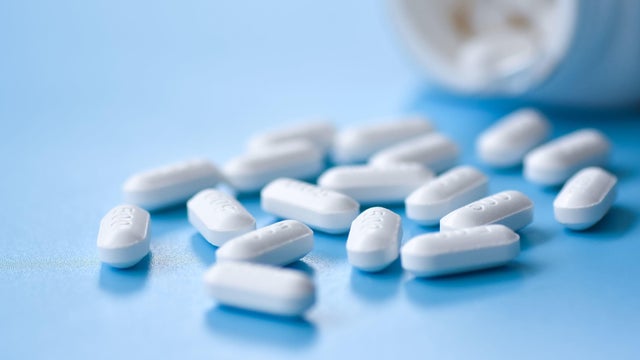
Opioid overdose deaths decreased, but there was an increase in overdose deaths from psychostimulants like meth and cocaine.
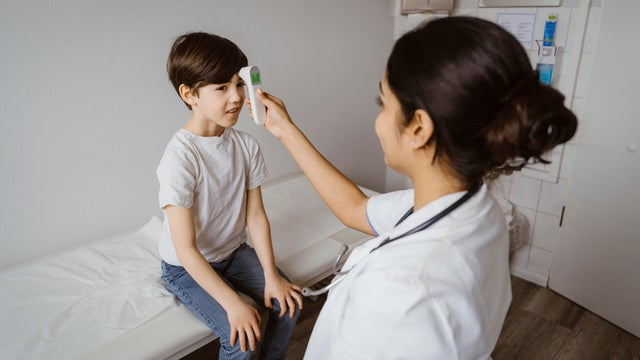
Nurse practitioners have been viewed as a key to addressing the shortage of primary care physicians. But data suggests that, just like doctors, they are increasingly drawn to better-paying specialties.
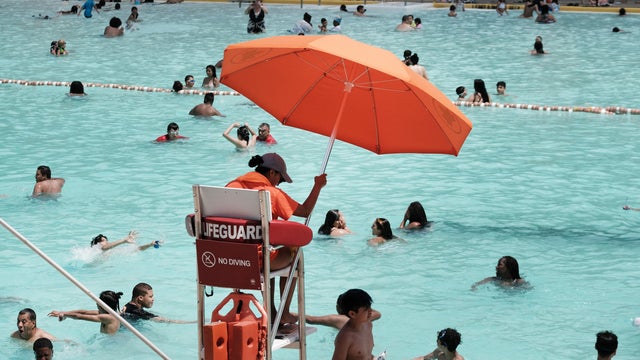
Nearly 4,000 people die from accidental drowning ever year, according to the CDC.
Xi Jinping welcomes Vladimir Putin to Beijing - talking peace in Ukraine amid a backdrop of war and growing tension with the U.S. and NATO.

Local media reported that the victim said he had been unable to call out for help "because of a spell that his captor had cast on him."

Tens of thousands of people gathered in the Georgian capital of Tbilisi to protest the law's passage.
The U.S. military says it's installed the temporary pier that will be used to bring humanitarian aid into Gaza, and trucks carrying the aid should begin "moving ashore in the coming days."
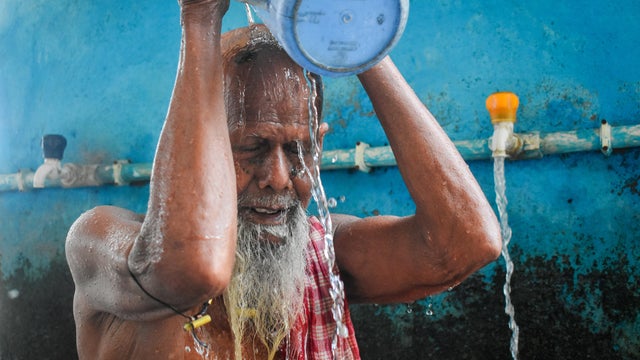
Extreme heat is known as a "silent killer," and in some areas across Asia, its intensity would have been impossible without one critical factor, a new study found.
Angie Harmon said she heard a gunshot and rushed outside, where she found her dog had been shot, and saw the delivery person putting a gun into the front of his pants, according to the lawsuit.
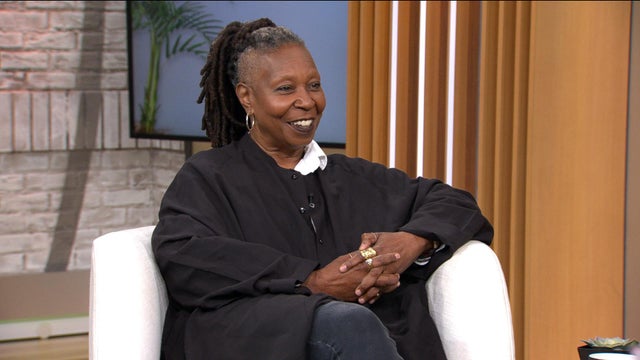
Whoopi Goldberg described the book as a way to dispel speculations about her upbringing and to share her story on her own terms.

Brittney and Cherelle Griner shared videos from their baby shower exclusively with "CBS Mornings."

"Young Sheldon" will end its seven-year run with a two-episode series finale on Thursday, May 16, beginning at 8/7c on CBS.
Actor Iain Armitage joins "CBS Mornings" to discuss the series finale of the hit CBS show, "Young Sheldon."
Ransomware attack targeted a Nissan virtual private network, the automaker's U.S. subsidiary said.

The Innovation & Disruption Leaders documentary series transforms corporate buzzwords like 'tech' and 'AI' into accessible concepts. Through the power of visual storytelling, we delve into the minds of industry leaders, executives and entrepreneurs alike. Who will decide the destiny of tomorrow's business landscape? By putting business in front of the camera, these incredible films get us one step closer to the answer.

From labor shortages to environmental impacts, farmers are looking to AI to help revolutionize the agriculture industry. One California startup, Farm-ng, is tapping into the power of AI and robotics to perform a wide range of tasks, including seeding, weeding and harvesting.
A group of TikTok creators is suing to stop a new law that could ban the social media app in the U.S. The legal challenge follows another lawsuit filed by TikTok and its China-based owner.
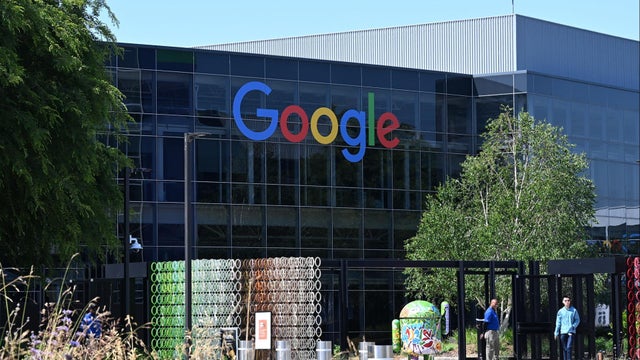
Google's highly-anticipated, annual developer conference began Tuesday. The event focused mainly on the company's artificial intelligence advancements. Lisa Eadicicco, senior mobile editor for CNET, joins CBS News with highlights.

A new study suggests that the first warm-blooded dinosaurs may have roamed Earth about 180 million years ago.
Extreme heat is known as a "silent killer," and in some areas across Asia, its intensity would have been impossible without one critical factor, a new study found.
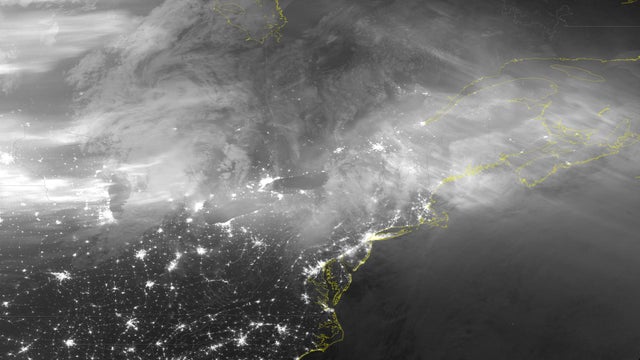
Millions of Americans looked to the night sky and snapped magical photos and videos of the northern lights this past weekend during the momentous geomagnetic storm.

Scientists who study such things have found that cicadas urinate in a jet stream because they consume an incredible volume of fluid during their brief time above ground.

Solar storms can dazzle, bringing displays of the northern lights to large parts of the globe. But geomagnetic storms can also affect electronic systems.
Local media reported that the victim said he had been unable to call out for help "because of a spell that his captor had cast on him."
A judge has decided that a Southern California college professor will stand trial for involuntary manslaughter and battery in the death of a Jewish counter-protester during demonstrations over the Israel-Hamas war last year.
Firearms sold by law enforcement have turned up at crime scenes thousands of times in recent years, a CBS News Investigation found.
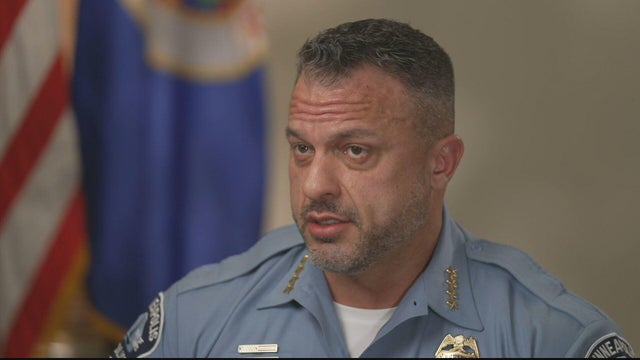
Minneapolis Police Chief Brian O'Hara says his department is short more than 200 officers, and has lost 40% of its police force in the last four years.

Assailants killed 2 prison convoy officers, springing the inmate they were escorting. France's prime minister vowed the suspects "will pay."

The large explosion of energy and light from the sun comes just days after Earth was slammed with the biggest geomagnetic storm in more than 20 years.

WASP-193b is 50% larger than Jupiter — the largest planet in our solar system — but seven times less massive because of it's extraordinarily low density.
Millions of Americans looked to the night sky and snapped magical photos and videos of the northern lights this past weekend during the momentous geomagnetic storm.
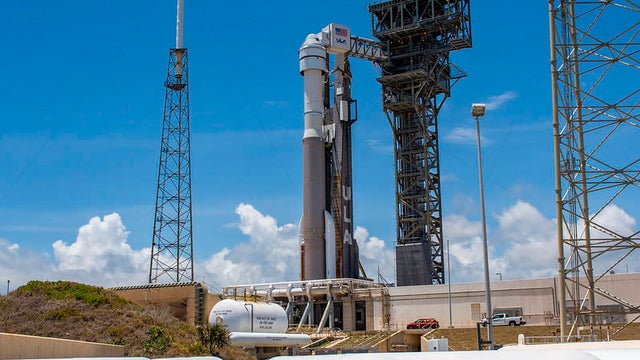
The oxygen valve that derailed a launch try last week has been replaced, but engineers want more time to verify an unrelated helium leak has been fixed.

The forecasted conditions come after a weekend of jaw-dropping northern lights seen as far south as Florida and as "magnetically complex" sunspots bigger than Earth continue to emit solar flares.
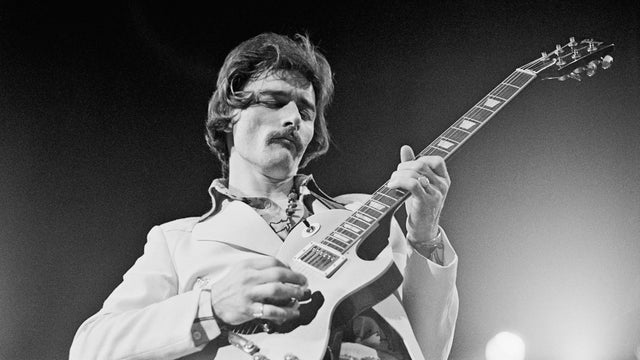
A look back at the esteemed personalities who've left us this year, who'd touched us with their innovation, creativity and humanity.

A look back at the hallowed career of the indie "B-movie" filmmaker, known for exploitation films, monster flicks, and some bizarre movie posters.
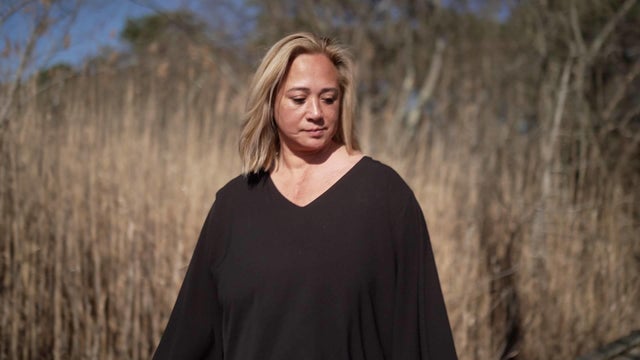
Despite losing three quarters of the blood in her body, Donna Ongsiako was able to help police find the person who almost took her life.

The Francis Scott Key Bridge in Baltimore collapsed early Tuesday, March 26 after a column was struck by a container ship that reportedly lost power, sending vehicles and people into the Patapsco River.
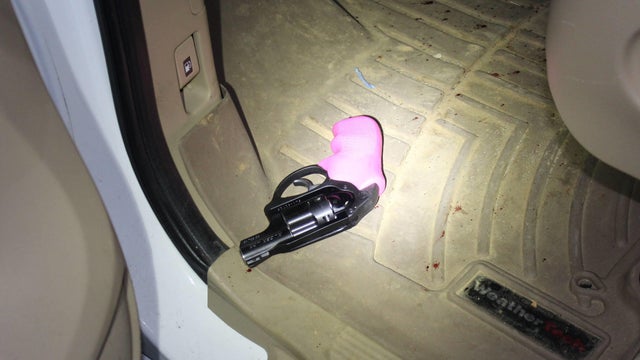
When Tiffiney Crawford was found dead inside her van, authorities believed she might have taken her own life. But could she shoot herself twice in the head with her non-dominant hand?
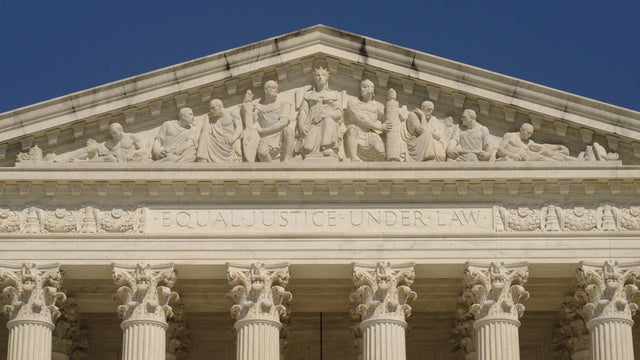
The Supreme Court ruled Wednesday that Louisiana can use a newly-drawn House map that includes a second district with a majority of Black voters. The decision comes after a lower court recently called the map unconstitutional racial gerrymandering. CBS News congressional correspondent Nikole Killion has more.
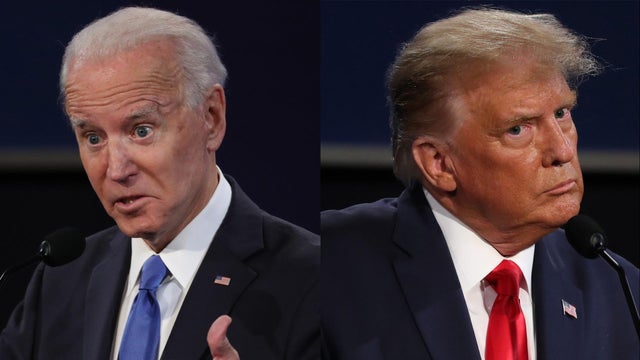
Presidential debates have become a standard part of the four-year contest, but this contest is anything but standard. With two debates finally on the calendar, the two qualifications for a good debate are also two issues totally up for grabs in U.S. democracy. CBS News chief political analyst John Dickerson explains.

Higher cocoa prices are hitting chocolate lovers' wallets. CBS News reporter Taurean Small explains what's driving the increase, and what chocolate brands are doing to adapt.

Many high school seniors in 2020 never got to participate in a big graduation ceremony due to the COVID-19 pandemic. Now, four years later, caution about protests over the war in Gaza means some won't get a college ceremony either. CBS News' Meg Oliver reports on the "no graduation" generation.
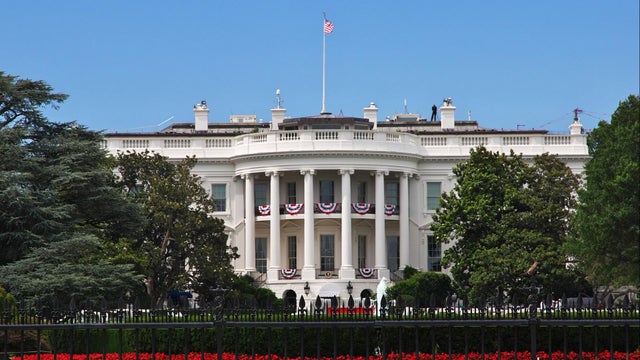
Between dual overseas wars, rising competition with China and a struggle to find consensus on southern border policy, the next president will be tasked with handling many homeland security issues. CBS News national security contributor Sam Vinograd joins to discuss some of the major challenges the winner of the November election will face.