Trump tariff plans bring wide concern about financial impact — CBS News poll
President Trump's approvals on economy and inflation dip, as Wall Street has one of its most volatile weeks in recent years.
Watch CBS News

President Trump's approvals on economy and inflation dip, as Wall Street has one of its most volatile weeks in recent years.

The exemptions, published late Friday in a notice by the U.S. Customs and Border Protection office, cover various electronic goods, including smartphones.

U.S. businesses are starting to add a tariff fee to customer bills and shopping carts to offset rising import costs.

JPMorgan CEO Jamie Dimon warns that tariffs are likely to boost inflation, while urging the Trump administration to strike trade deals.

Stocks climbed on Friday even as Wall Street analysts warn of a growing trade war between the world's two biggest economies.

Consumer sentiment fell sharply in April for the fourth straight month as the trade war fuels worries about inflation and employment.

China says it is raising tariffs on U.S. goods to 125%, escalating the trade war between the two countries.
President Trump had brushed off the stock market's plunge, but turmoil in the bond market got his administration's attention.

The winner of the Masters will receive $4.2 million and the signature green jacket.

There are a few gold assets, in particular, that could make sense to invest in now that gold's price is rising.

The six-year compliance rule can offer relief if you're behind on filing your taxes and want to get back on track.

If you're only making the minimum payments on your credit card debt, it's time to find a better debt strategy.

CBS News is tracking the rising cost of products most impacted by tariffs imposed and soon-to-be-imposed by President Trump, from grocery items to cars and trucks.

These charts track prices consumers pay for groceries and other goods now compared to five years ago.

The first weeks of the new Trump administration have sparked stock market jitters and recession fears. Here's advice from top experts.

Most Americans are forced to retire earlier than they had expected, often disrupting their financial planning.

The Social Security Fairness Act, which would increase benefits for 2.8 million retirees, has bipartisan support but time running out.

President Trump has painted a bullseye on diversity, equity and inclusion. But what exactly is DEI, and what has it achieved?

Ample job opportunities, low unemployment and reasonable commute times make this the top U.S. state for job seekers, analysis finds.

Chipotle plans to deploy a conversational AI hiring system, dubbed "Ava Cado," across more than 3,500 restaurants.

Rory McIlroy won a sudden-death playoff to finally win the Masters and take his place in golf history as the sixth player to claim the career Grand Slam.
A Wisconsin teen charged in his parents' murders allegedly killed them to "obtain the financial means" to assassinate President Trump and overthrow the government.

Former LSU receiver Kyren Lacy, who was facing criminal charges stemming from a fatal car accident in December, has died at age 24, a university athletics spokesman said.
U.S. trade representative Jamieson Greer said President Trump and Chinese President Xi Jinping "don't have any plans" to speak amid an escalating trade war between the two countries.

On this "Face the Nation with Margaret Brennan" broadcast, U.S. trade representative Jamieson Greer and former top FDA official Dr. Peter Marks join Margaret Brennan.
President Trump's approvals on economy and inflation dip, as Wall Street has one of its most volatile weeks in recent years.
The winner of the Masters will receive $4.2 million and the signature green jacket.
The exemptions, published late Friday in a notice by the U.S. Customs and Border Protection office, cover various electronic goods, including smartphones.
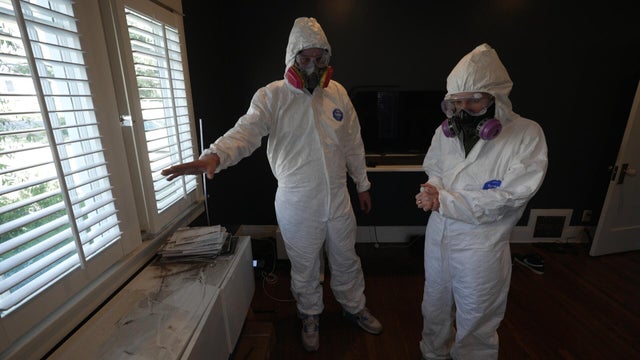
Some people whose homes survived the Eaton wildfire in January are struggling to convince their insurers to test their properties for safety.
Consumer sentiment fell sharply in April for the fourth straight month as the trade war fuels worries about inflation and employment.
U.S. trade representative Jamieson Greer said President Trump and Chinese President Xi Jinping "don't have any plans" to speak amid an escalating trade war between the two countries.
On this "Face the Nation with Margaret Brennan" broadcast, U.S. trade representative Jamieson Greer and former top FDA official Dr. Peter Marks join Margaret Brennan.
The following is the transcript of an interview with U.S. trade representative Jamieson Greer that aired on "Face the Nation with Margaret Brennan" on April 13, 2025.
The following is the transcript of an interview with Rep. Ro Khanna, Democrat of California, that aired on "Face the Nation with Margaret Brennan" on April 13, 2025.
The following is the transcript of an interview with Neel Kashkari, the president of the Federal Reserve Bank of Minneapolis, that aired on "Face the Nation with Margaret Brennan" on April 13, 2025.
Health and Human Services Secretary Robert F. Kennedy Jr. claimed Friday that new research will find the cause of the "autism epidemic" by September. Dr. Peter Marks, the former top vaccines official at the Food and Drug Administration, warns on "Face the Nation with Margaret Brennan" that "giving people false hope is something you should never do."
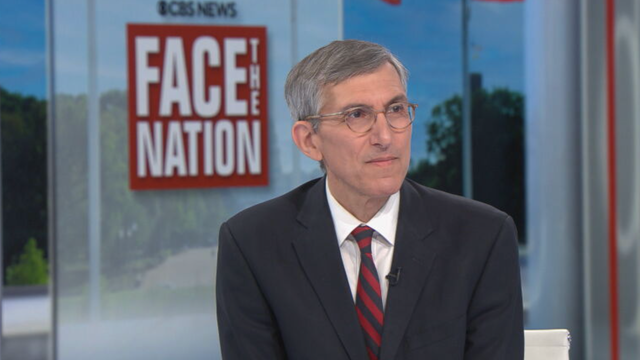
Dr. Peter Marks said that the deaths of unvaccinated children is "just not acceptable."
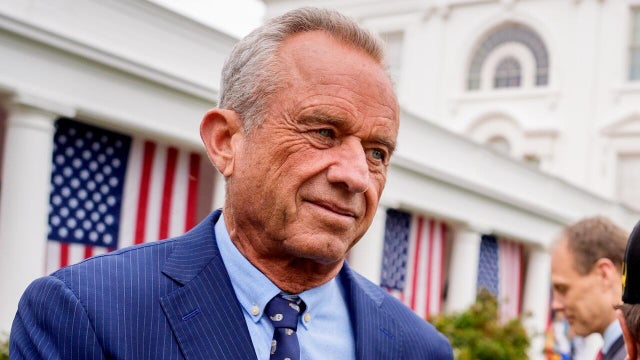
In his first network TV interview since becoming Health and Human Services Secretary, Robert F. Kennedy Jr. sat down with Dr. Jon LaPook. Kennedy said he was not familiar with cuts to programs that could have a devastating impact on infectious diseases and mental health.
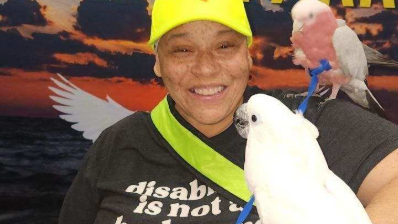
Dr. Omri Ayalon helped Tracey White recover her ability to walk. Then he joined her for a milestone moment.

Steep cuts to the agency's workforce had disrupted drug and food safety inspections.

The strikes from two Russian ballistic missiles killed at least 34 people, including two children, and wounded about 117 in the northeastern Ukrainian city of Sumy.

The Diocese of Jerusalem, which runs Al-Ahili hospital, said the medical building has been hit five times since the start of the war in November 2023

The Argentinian pope is entering his fourth week of convalescence during which doctors have advised him to avoid crowds.
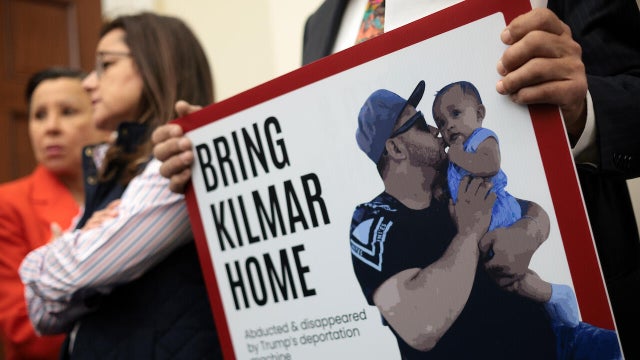
In a filing on Saturday, the U.S. State Department, however, did not address a judge's demands that the Trump administration detail what steps it is taking to return Kilmar Abrego Garcia to the United States.

A United Nations official in Sudan says at least 100 people, including 20 children and nine aid workers, have been killed in a two-day offensive by a notorious paramilitary group.
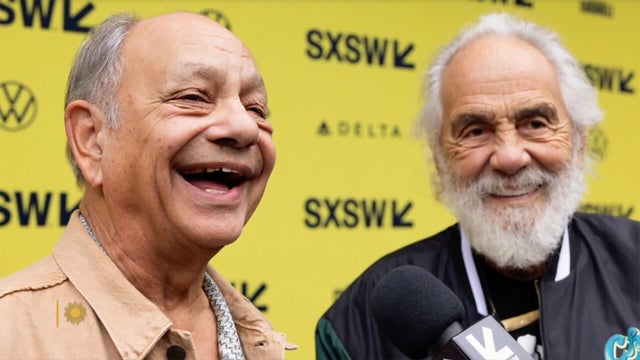
The comedy duo Richard Anthony "Cheech" Marin and Thomas Chong made their names and fortunes playing laid-back potheads. Now 78 and 86, respectively, they're back on movie screens in "Cheech and Chong's Last Movie" (which may not be an accurate title). The best buds talked with correspondent Tracy Smith about their legacy.

After Diane Shiffer retired from working as an educator and social worker, she took on a new calling: as a social media "grandfluencer." Known on TikTok as YourChubbyVintageNana, she now has nearly two million followers across platforms, as she goes all-in on "the Nana vibe." Correspondent Faith Salie talks with Shiffer, and with Barbara Costello, of Brunch With Babs, both part of a growing number of older content creators who are finding audiences and post-retirement careers in social media.
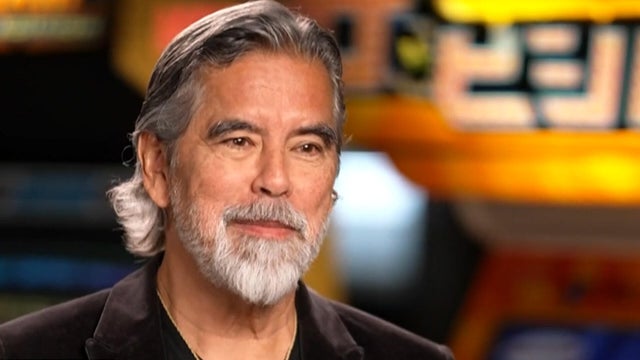
Tetris is one of the best-known video games of all time — but that wasn't always the case. Video game publisher Henk Rogers recounts the game's journey to success and his own personal experiences with it in his new book "The Perfect Game."
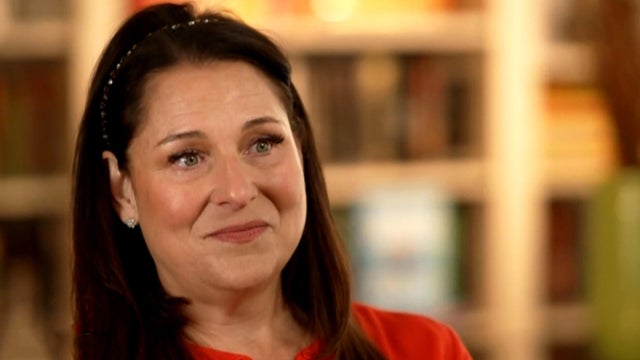
Jennifer Weiner has penned 22 books, and her latest, "The Griffin Sisters' Greatest Hits," tells the story of a former pop duo trying to find their way back to each other. Weiner's novels are known for complex, strong, relatable protagonists, and her characters leap off the page. She sat down with Dana Jacobson to talk about her career and newest book.

Just six weeks after Dawes released their new studio album "Oh Brother," brothers Taylor and Griffin Goldsmith lost their homes in the Los Angeles wildfires. They balanced high-profile TV appearances with picking up the pieces, even appearing to open the Grammy Awards. They returned to touring life this week, starting with their emotional return visit to Saturday Sessions. From "Oh Brother," here is Dawes with "Still Strangers Sometimes."
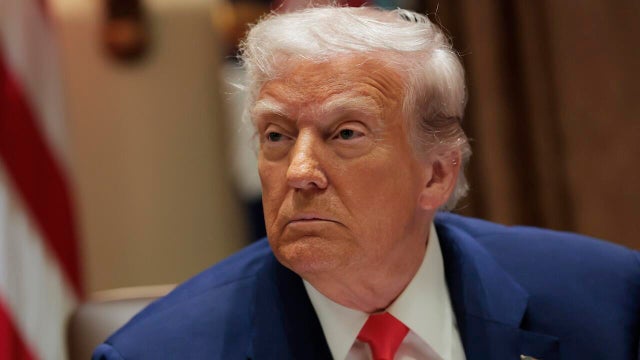
President Trump retreated a bit in his trade war with China on Friday, exempting smartphones, computers and other electronics from the hefty tariffs. The move is a relief for companies like Apple and consumers who are concerned about how tariffs could affect prices. Willie James Inman has the details.

The nate app was not powered by advanced AI technology at all, but by human workers, according to the indictment.

From labor shortages to environmental impacts, farmers are looking to AI to help revolutionize the agriculture industry. One California startup, Farm-ng, is tapping into the power of AI and robotics to perform a wide range of tasks, including seeding, weeding and harvesting.

President Trump's tariffs on China could make Apple iPhones more expensive. China announced Friday it's raising tariffs on U.S. goods to 125% after Mr. Trump increased reciprocal tariffs on some Chinese products to 145%. Tech journalist Yasmin Khorram reports.
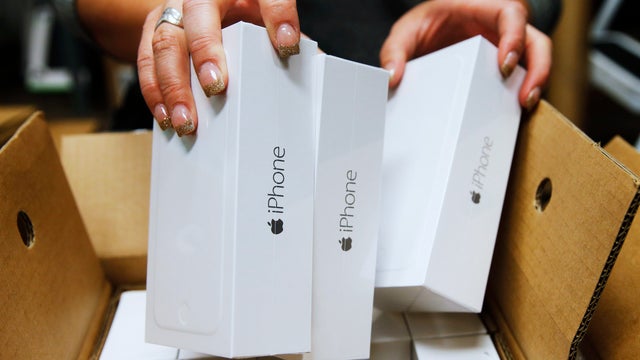
Apple's move to avoid China tariffs had been in the works for months, according to report citing Indian government officials.

As the HBO series "The Last of Us" returns, fans wonder: How much of the chilling storyline about a fungal zombie pandemic is rooted in reality?
An internal government document proposes significant changes for the National Oceanic and Atmospheric Administration, hitting its research functions hardest.
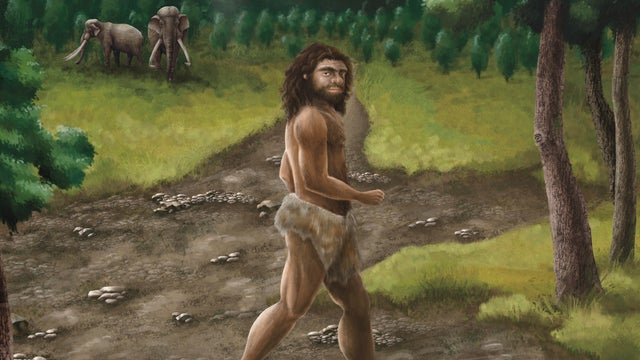
Relatively little is known about Denisovans, an extinct group of human cousins that interacted with Neanderthals and Homo sapiens.
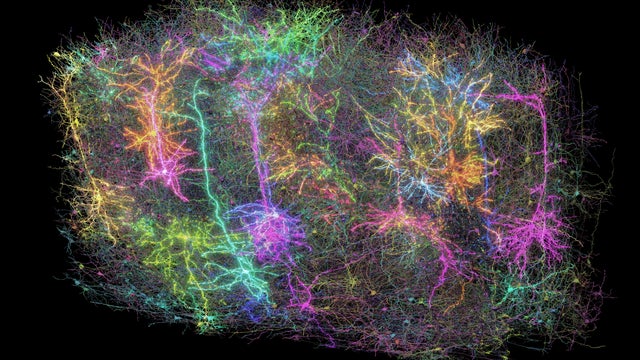
Thanks to a mouse watching clips from "The Matrix," scientists have created the largest functional map of a brain to date.

The discovery shows the cultural interaction between the Maya of Tikal and Teotihuacan's elite between 300 and 500 A.D., archaeologists said.
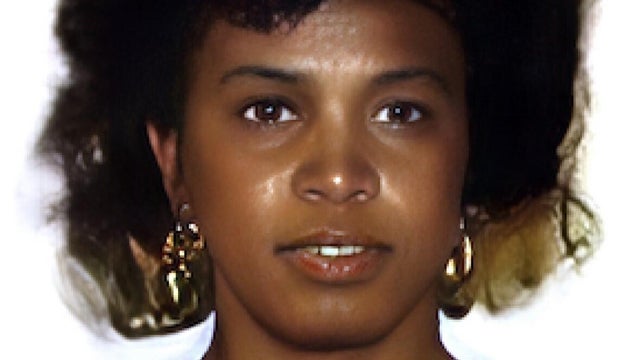
For most of his life, Reggie Reed has wondered who murdered his mother Selonia Reed decades ago in Hammond, Louisiana. A fresh look at the evidence ultimately implicated the man he called his "rock" — Reginald Reed Sr., the man who lovingly raised him.
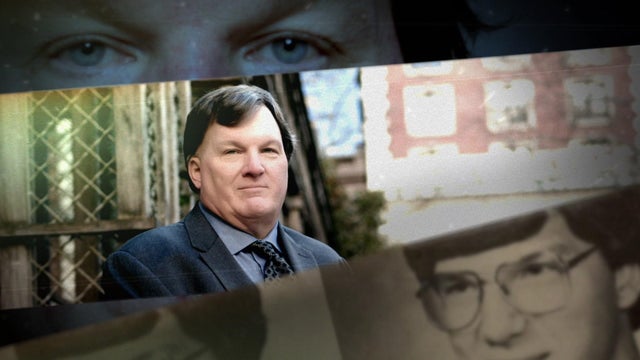
Exclusive details about the NYC architect accused of being the Long Island serial killer, his life and how he may have been hiding in plain sight for more than a decade.
The nate app was not powered by advanced AI technology at all, but by human workers, according to the indictment.

Victor Perez, a 17-year-old autistic teen with cerebral palsy, was shot nine times by Pocatello police officers in Idaho.
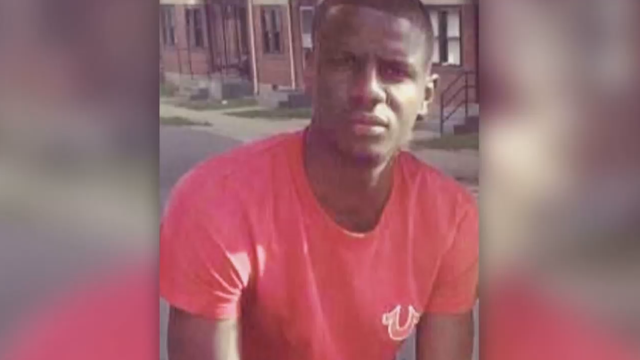
It's almost been ten years since Freddie Gray died, and an event in downtown Baltimore Friday aimed to not only remember him but also remember what needs to be done when it comes to ensuring fair policing.

The countdown is on to the first all-female spaceflight as a Blue Origin rocket gets set for launch Monday. "CBS Mornings" co-host Gayle King will be among the crew making history. CBS News senior national correspondent Mark Strassmann reports and CBS News meteorologist Andrew Kozak has a check of the forecast for the launch.

Gayle King, Lauren Sanchez and four other women will blast off into space Monday for an 11-minute trip into space. Mark Strassmann on the historic liftoff.
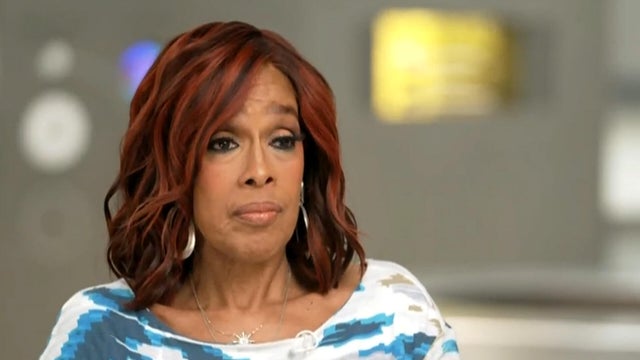
Blue Origin's latest flight will become the first mission to have an all-female crew in space in just two days. Aboard the ship will be "CBS Mornings" host Gayle King. Co-host Vlad Duthiers opened up about how King is feeling ahead of the launch.
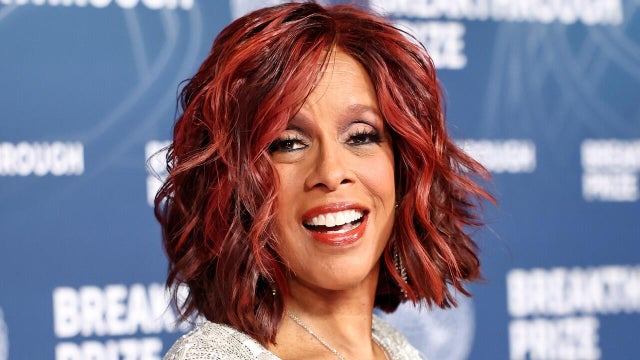
CBS Mornings host Gayle King is preparing to blast off into space Monday on board a historic all-female Blue Origin space flight. CBS News senior national correspondent Mark Strassman reports.

Private companies have launched nearly 120 civilians to the edge of space.

Hundreds of thousands took to the streets, in Washington, D.C. and other cities across the United States, in opposition to the policies of Donald Trump, in the largest protests since he returned to the presidency.
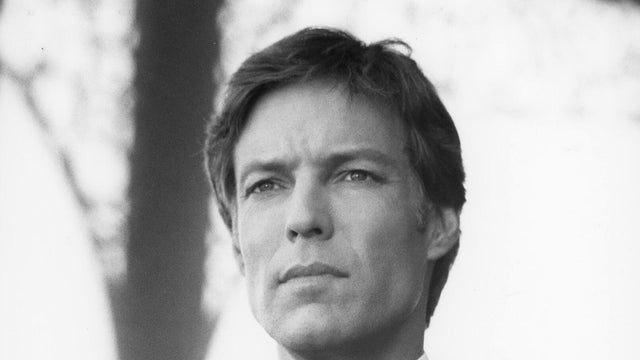
A look back at the esteemed personalities who've left us this year, who'd touched us with their innovation, creativity and humanity.

A look into a grieving husband Jan Cilliers' investigative work after his wife Christy Giles and her friend Hilda Marcela Cabrales died after a night out.
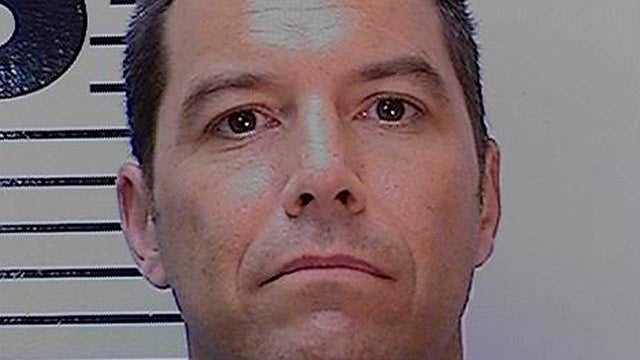
Peterson's death sentence for the murder of his pregnant wife Laci has been overturned. Now his supporters are pushing for a complete retrial.
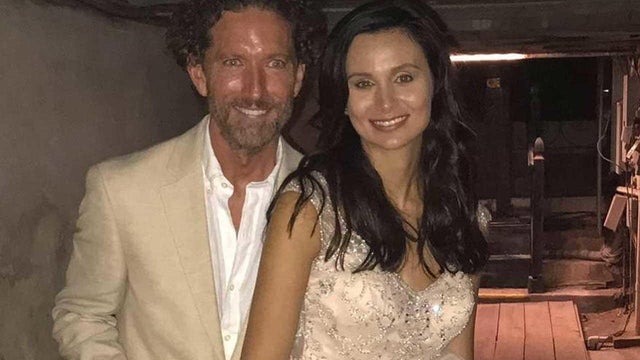
The seesaw marriage between the former ballerina and her much older husband only lasted four years, until she shot him on Sept. 27, 2020.

Karenna Groff, her boyfriend, her parents, her brother and her brother's girlfriend were all killed in the plane crash on Saturday, a relative confirmed late Sunday night. WBZ-TV's Logan Hall reports.

A knitting community in California has started creating "emotional support chickens" that are taking flight to knitting circles all over the world. Joy Benedict reports.
The countdown is on to the first all-female spaceflight as a Blue Origin rocket gets set for launch Monday. "CBS Mornings" co-host Gayle King will be among the crew making history. CBS News senior national correspondent Mark Strassmann reports and CBS News meteorologist Andrew Kozak has a check of the forecast for the launch.
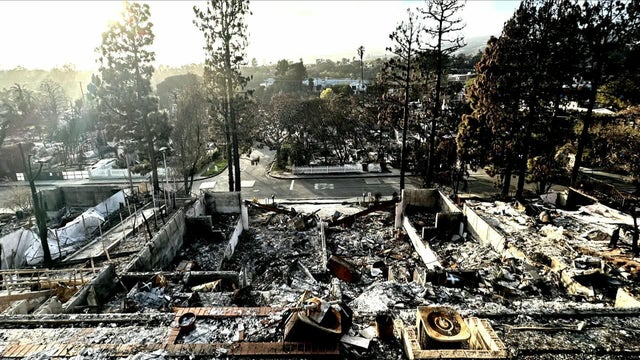
Homeowners in the Los Angeles area have started the long process of rebuilding after the destructive wildfires in January, but a new threat has emerged: soil contamination. Up to 80% of samples taken from areas near the Eaton and Palisades Fires reveal dangerously high levels of lead. Andres Gutierrez has more.
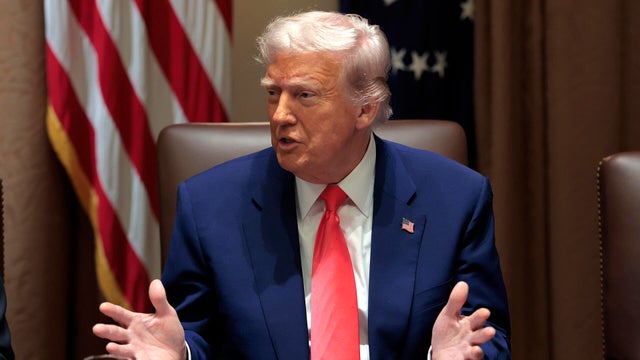
A new CBS News poll shows 75% of Americans believe President Trump's tariffs will raise prices in the short-term, but there's a political divide on whether his plan will bring back overseas jobs and factories. CBS News White House reporter Willie James Inman has more.